

Choosing the Right Airway Device
Posted by Sydney Pulse, APRN at 2:52 am 0 Comment Print
Choosing the right airway device is critical in emergency and healthcare settings. Whether for professional medical use, emergency response, or CPR training, selecting the appropriate device can significantly impact patient outcomes. This guide explores various airway devices, their functions, and how tools like the Chest Compression Feedback Device Monitor enhance patient care.
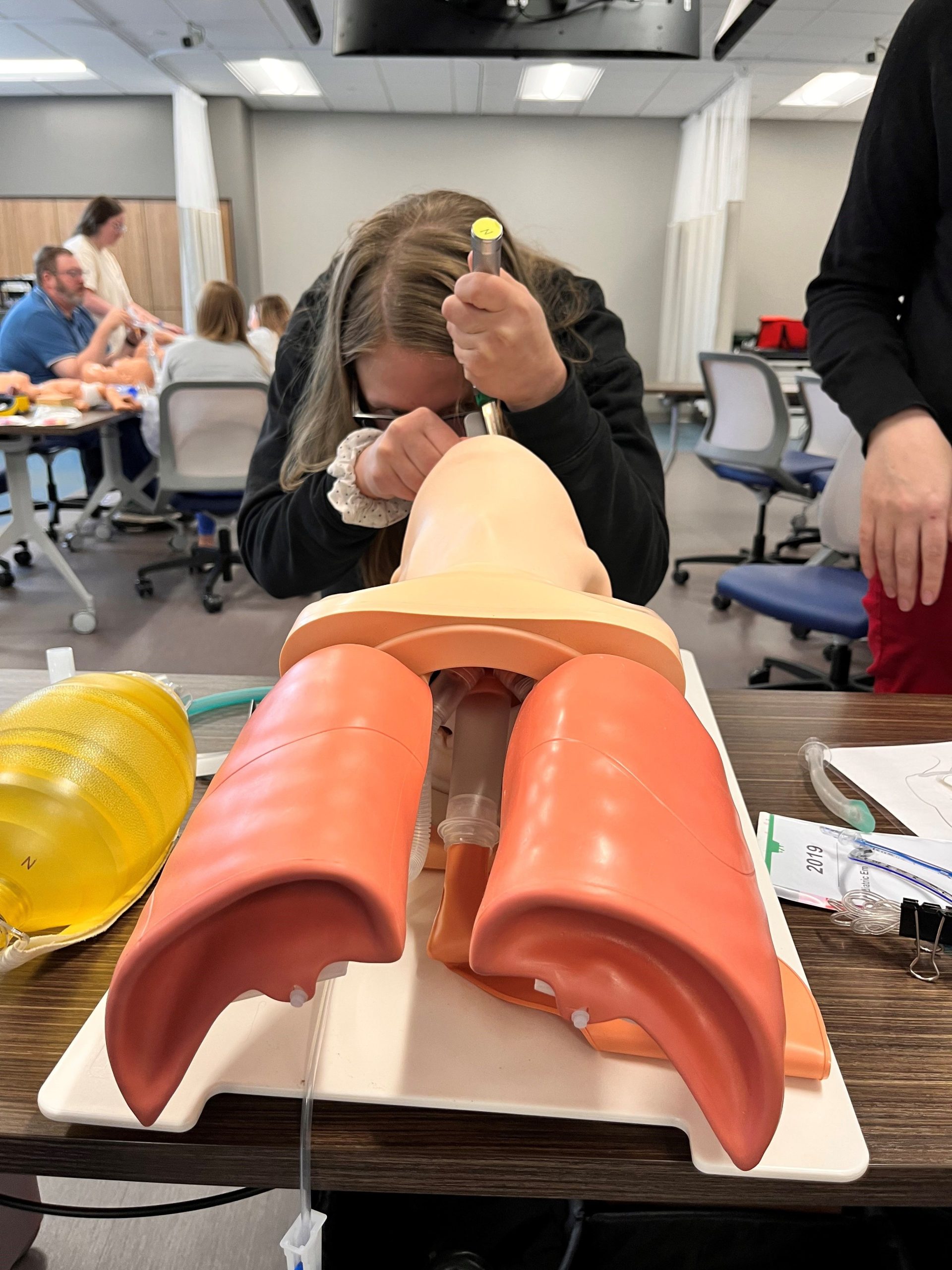
Types of Airway Devices and Their Uses
1. Basic Airway Management Devices
Basic airway devices are used in situations where a patient needs temporary respiratory support. These devices include:
a. Oropharyngeal Airway (OPA)
- Designed to maintain an open airway by preventing the tongue from blocking the airway.
- Best suited for unconscious patients without a gag reflex.
- Commonly used in emergency and pre-hospital settings.
b. Nasopharyngeal Airway (NPA)
- A flexible tube is inserted through the nose to keep the airway open.
- Used for semi-conscious patients with an intact gag reflex.
- Preferred when an OPA is not suitable.
c. Pocket Masks and Bag-Valve Masks (BVMs)
- Essential for manual ventilation in CPR and emergency care.
- Often used with a Chest Compression Feedback Device Monitor to ensure effective CPR.
2. Advanced Airway Management Devices
For patients requiring more advanced airway support, healthcare providers use specialized devices.
a. Endotracheal Tubes (ETT)
- Inserted into the trachea to secure an airway.
- Used in hospital settings, especially during surgery and critical care.
b. Laryngeal Mask Airway (LMA)
- A supraglottic airway device used for short-term airway management.
- Commonly used in anesthesia and emergencies.
c. Cricothyrotomy and Tracheostomy
- Surgical methods to establish an airway when intubation is not possible.
- Used in life-threatening airway obstruction cases.
How Chest Compression Feedback Device Monitor Improves Airway Management
1. Real-Time Feedback for Effective Resuscitation
- Ensures proper compression depth and rate during CPR.
- Helps rescuers maintain high-quality chest compressions, improving patient outcomes.
2. Enhancing Ventilation with Airway Devices
- Guides rescuers on ventilation techniques when using a BVM or an advanced airway.
- Reduces the risk of hyperventilation or inadequate breaths.
3. Integration with Airway Devices in Training
- Many CPR training programs incorporate the Chest Compression Feedback Device Monitor to enhance skill retention.
- Used in CPR certification St. Louis and BLS certification St. Louis training courses.
Key Factors to Consider When Choosing an Airway Device
1. Patient Condition and Clinical Scenario
- Consider whether the patient is conscious, unconscious, or experiencing respiratory failure.
- Determine if a basic or advanced airway is needed.
2. Training and Skill Level of the Rescuer
- BLS providers may use OPAs, NPAs, and BVMs.
- Advanced providers (ACLS, PALS) may use endotracheal tubes and LMAs.
3. Equipment Availability and Emergency Preparedness
- Ensure the right airway device is available in emergency kits.
- Regular training using a Chest Compression Feedback Device Monitor improves readiness.
Call to Action: Get CPR and BLS Certified in St. Louis!
Proper airway management skills can save lives. Whether you’re a healthcare provider, first responder, or CPR instructor, having the right training is essential.
🔹 Enroll in CPR certification St. Louis and BLS certification St. Louis today!
🔹 Get hands-on training with the latest equipment, including Chest Compression Feedback Device Monitors.
🔹 Join CPR St. Louis, an American Heart Association training site, for the best CPR classes in St. Louis.
👉 Register now and be prepared to save lives!

