

How to Use a Bag Mask with CPR: A Step-by-Step Guide?
Posted by Sydney Pulse, APRN at 7:30 am 0 Comment Print
A bag mask can mean the difference between a good outcome and a tragic one. Yet most bystanders never learn how to use one. If you want to help during a cardiac emergency, learning proper bag mask CPR technique matters just as much as chest compressions.
This guide walks you through what a bag mask is, when to use it, and how to use a bag mask with CPR correctly. We also share the latest AHA and CARES data on why this skill saves lives in Memphis and beyond.
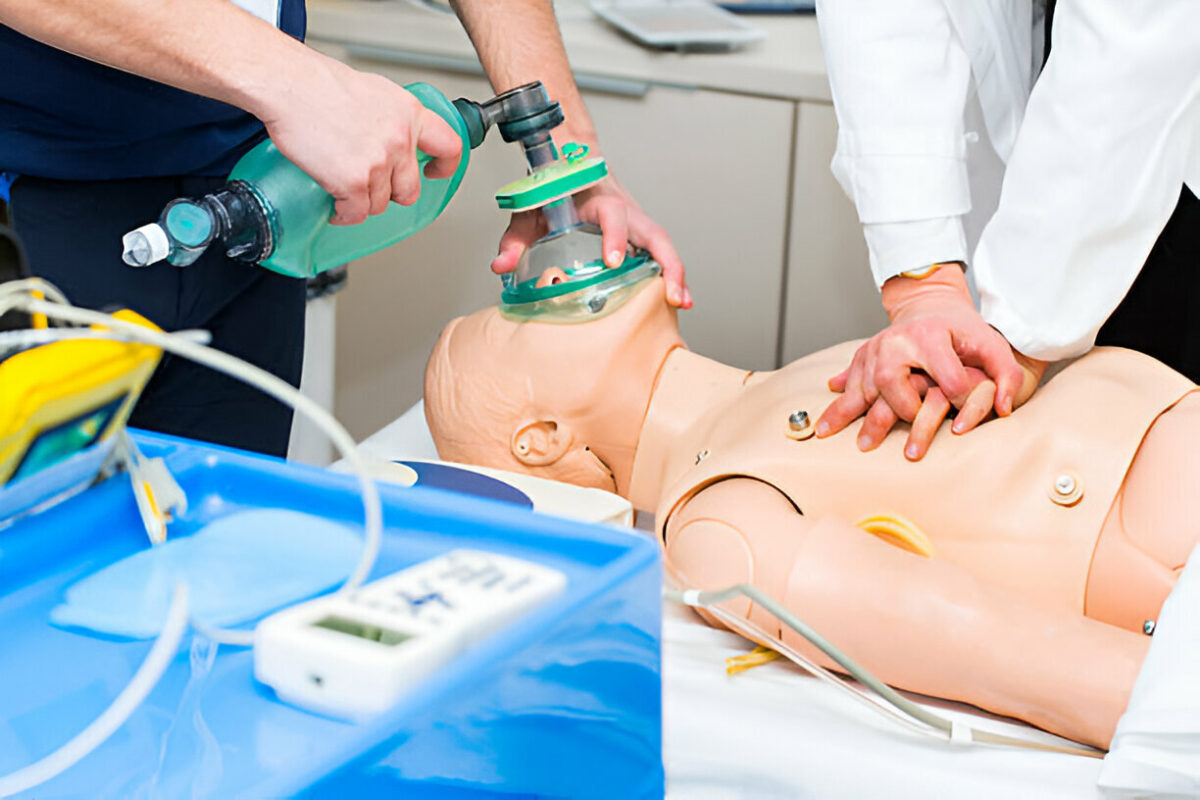
What Is a Bag Mask (Bag-Valve-Mask)?
A bag mask, also called a bag-valve-mask or BVM, is a handheld device used to deliver breaths to someone who cannot breathe on their own. It has three main parts: a self-inflating bag, a one-way valve, and a face mask.
Rescuers squeeze the bag to push air into the patient’s lungs. The valve keeps exhaled air from flowing back in. Bag-valve-mask ventilation remains a first-line airway tool in basic life support, and studies show it can achieve outcomes similar to advanced airway devices like endotracheal tubes.
When Should You Use a Bag Mask During CPR?
According to the 2025 AHA Guidelines for CPR and Emergency Cardiovascular Care, rescuers may use either bag-mask ventilation or an advanced airway strategy during resuscitation. Bag-mask ventilation is most useful in:
- Healthcare and workplace settings where trained responders are present
- Situations with two or more rescuers, allowing one person to manage the airway while another compresses the bag
- Cases where mouth-to-mouth breathing is not possible or preferred
For single, untrained bystanders, the AHA still recommends hands-only CPR. Bag mask ventilation is a skill taught in BLS, Heartsaver, and healthcare provider courses.
How to Use a Bag Mask with CPR: Step-by-Step
Step 1: Open the Airway
Tilt the patient’s head back and lift the chin. This simple move clears the tongue from the back of the throat. An open airway is the foundation of effective ventilation.
Step 2: Choose the Right Mask Size
Select a mask that covers the nose and mouth without extending past the chin. A poor fit causes air leaks and reduces delivered volume.
Step 3: Create a Proper Seal
This step trips up most rescuers. The 2025 AHA Guidelines note that one-handed grips often fail to achieve an adequate seal. Research also shows that two-handed mask-seal techniques deliver higher tidal volumes than the traditional one-handed EC grip.
When two rescuers are available, one should use both hands to seal the mask and lift the jaw. The second rescuer squeezes the bag. This teamwork approach improves ventilation quality significantly.
Step 4: Squeeze the Bag Correctly
Deliver each breath over one second. Watch for visible chest rise, which confirms the breath reached the lungs. Let the bag fully recoil between breaths.
Avoid squeezing too hard or too fast. Overinflation can force air into the stomach instead of the lungs, raising the risk of vomiting and aspiration.
Step 5: Coordinate with Compressions
During CPR with a bag mask, give two breaths after every 30 compressions if you are working alone. With an advanced airway in place, ventilations can continue without pausing compressions at all.
Step 6: Watch for Complications
If the chest does not rise, reposition the head and re-check the mask seal first. A poor seal remains the most common reason ventilation fails.
Common Bag Mask Mistakes to Avoid
- Rushing the seal. A tight, consistent seal matters more than speed.
- Overventilating. Too many breaths, or breaths given too forcefully, can lower blood pressure and reduce blood flow to the heart.
- Ignoring chest rise. Chest rise is your best real-time feedback that ventilation is working.
- Using the wrong mask size. An ill-fitting mask almost guarantees an air leak.
Regular hands-on practice, not just reading, builds this muscle memory. That is why AHA courses use manikins and instructor feedback rather than lecture alone.
Why This Skill Saves Lives: The Data
Bystander action changes outcomes. According to the 2025 CARES National Report, bystanders initiated CPR in 42.5% of out-of-hospital cardiac arrests, the highest rate recorded since 2016. Patients who received bystander CPR survived to hospital discharge at a rate of 12.8%, compared to just 7.7% for those who did not.
The numbers get even stronger for witnessed arrests with a shockable rhythm. When bystanders both started CPR and applied an AED, survival reached 37.0% nationally. Every trained rescuer adds to that chain of survival, and proper airway management is a critical link.
Memphis and Shelby County residents can strengthen those local numbers by learning skills like bag-mask ventilation firsthand. Hands-on training turns a nervous bystander into a confident first responder.
Get Hands-On Bag Mask Training in Memphis
Reading about bag mask technique only gets you so far. Real confidence comes from hands-on practice with an instructor who corrects your seal, your rhythm, and your timing.
CPR Memphis is an American Heart Association training site offering initial certification and renewal courses in BLS for Healthcare Providers, ACLS, PALS, and CPR and First Aid. Every class is stress-free, hands-on, and built around real-world scenarios like bag-mask ventilation.
Ready to build a skill that could save a life? Sign up for CPR certification in Memphis today and practice bag-mask technique under expert guidance.
Already working in healthcare or a related field? Enroll in BLS certification in Memphis to master bag-mask ventilation alongside compressions, AED use, and team-based resuscitation.
