

Airway Opening: A Quick Guide
Posted by Sydney Pulse, APRN at 3:38 am 0 Comment Print
Ensuring a clear airway is a fundamental step in life-saving interventions, such as cardiopulmonary resuscitation (CPR) and first aid. Whether you are a healthcare provider, first responder, or concerned citizen, understanding airway opening techniques can make a significant difference in emergency situations. This guide covers essential airway opening methods, their importance, and how you can enhance your skills through professional training.
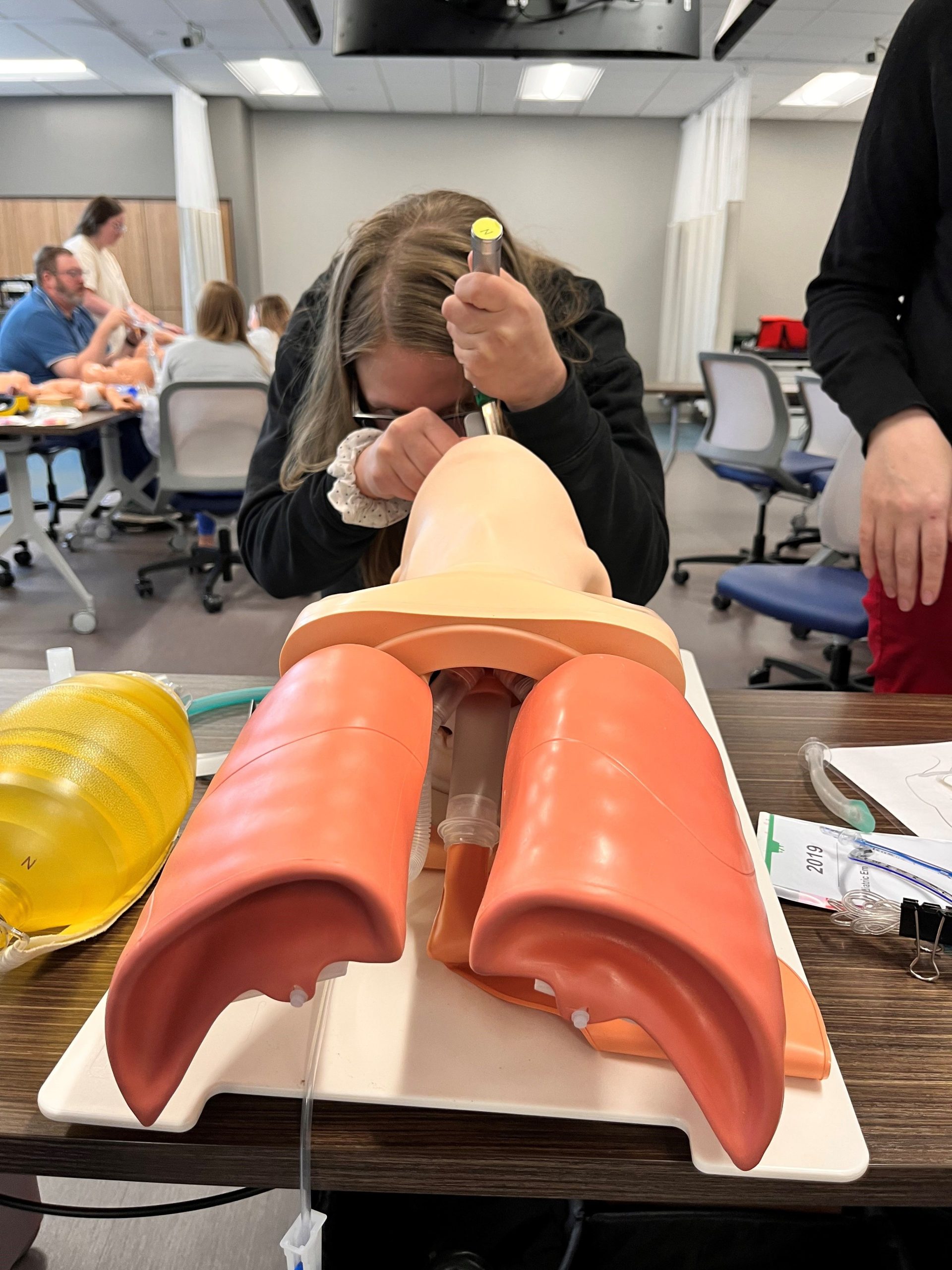
Importance of Airway Opening
Airway obstruction can occur due to various reasons, including choking, trauma, allergic reactions, or unconsciousness. A blocked airway prevents oxygen from reaching the lungs, leading to hypoxia, brain damage, or even death within minutes. Effective airway management ensures proper ventilation, preventing serious complications and increasing survival rates.
Basic Airway Opening Techniques
Head-Tilt, Chin-Lift Method
One of the simplest and most effective techniques to open an airway is the head-tilt, chin-lift maneuver. This method is particularly useful when dealing with an unconscious patient without suspected spinal injury.
Steps:
- Place one hand on the forehead and apply gentle pressure to tilt the head back.
- Use the fingertips of your other hand to lift the chin upward.
- Ensure the mouth remains slightly open for unobstructed airflow.
Jaw-Thrust Maneuver
For individuals with suspected spinal injuries, the jaw-thrust maneuver is recommended to minimize neck movement while opening the airway.
Steps:
- Position yourself behind the patient.
- Place your fingers on the angles of the lower jaw.
- Gently push the jaw forward without tilting the head.
- If necessary, use your thumbs to slightly open the mouth.
Airway Opening in Choking Emergencies
Choking occurs when a foreign object blocks the airway, making it difficult to breathe. Quick intervention is essential.
Heimlich Maneuver (Abdominal Thrusts)
Used to relieve choking in conscious adults and children.
Steps:
- Stand behind the choking victim and wrap your arms around their waist.
- Make a fist with one hand and place it just above the navel.
- Grasp your fist with the other hand and deliver quick, inward, and upward thrusts.
- Repeat until the object is expelled.
For infants, back slaps and chest thrusts are used instead of abdominal thrusts.
Airway Opening in CPR
When performing CPR, ensuring a clear airway is the first step before delivering rescue breaths.
Steps in Airway Management During CPR:
- Check for responsiveness and breathing.
- Use the head-tilt, chin-lift method or jaw-thrust maneuver.
- If breathing is absent, give two rescue breaths.
- If the airway remains blocked, reposition the head and attempt rescue breaths again.
Advanced Airway Opening Techniques
For healthcare providers, additional techniques and equipment are available to ensure airway patency.
Oropharyngeal Airway (OPA)
Used to keep the airway open in unconscious patients without a gag reflex.
Steps:
- Select the correct OPA size by measuring from the corner of the mouth to the earlobe.
- Insert the airway with the curved end facing upwards.
- Rotate 180 degrees as it passes the tongue and place it in position.
Nasopharyngeal Airway (NPA)
A flexible tube inserted through the nose to maintain an open airway, suitable for semi-conscious patients.
Steps:
- Choose the correct size (measured from the nostril to the earlobe).
- Lubricate the airway with a water-based gel.
- Insert gently into the nostril following the natural curve.
When to Seek Professional Training in Airway Opening
While basic techniques can be learned through reading, hands-on training provides the confidence and skills needed to respond effectively in emergencies. Certification courses ensure you are equipped to manage airway emergencies in real-life situations.
Call to Action: Get Certified Today!
Are you ready to enhance your life-saving skills? At CPR Cincinnati, we offer CPR certification Cincinnati and BLS certification Cincinnati to equip you with the necessary expertise in airway management and emergency response. Whether you’re a healthcare provider or a concerned citizen, our hands-on, stress-free training will prepare you to act confidently in critical situations.
Sign up today and be the difference between life and death in an emergency! Visit our website or contact us to enroll in our CPR and BLS certification courses in Cincinnati.
