

Which Ventilation Technique Saves Lives? A Comprehensive Guide
Posted by Sydney Pulse, APRN at 6:31 am 0 Comment Print
In emergencies where someone has stopped breathing, proper ventilation techniques can mean the difference between life and death. Respiratory emergencies occur frequently, with approximately 600,000 cases of cardiac arrest annually in the United States alone. Understanding which ventilation technique is most effective in different scenarios is crucial for healthcare professionals and trained responders. This article explores the various ventilation methods used in emergency care, their effectiveness, and the latest evidence-based recommendations.
The Critical Role of Ventilation Techniques in Emergency Response
When someone stops breathing, their body is deprived of oxygen, which can lead to brain damage within minutes and death shortly after. Proper ventilation technique implementation delivers oxygen to the lungs, maintaining vital organ function until advanced medical care can be provided. The effectiveness of these techniques directly correlates with patient survival rates, making them an essential component of emergency response protocols.
Ventilation, paired with high-quality chest compressions, forms the foundation of basic life support. Research shows that when performed correctly, these interventions can double or even triple a victim’s chance of survival. According to the American Heart Association (AHA), for every minute that passes without CPR and defibrillation, the likelihood of survival decreases by 7-10%.
Common Ventilation Techniques Used in Emergency Care
Several ventilation techniques are employed in emergencies, each with specific applications and benefits:
Mouth-to-Mouth Ventilation Technique
Traditional mouth-to-mouth resuscitation has been a cornerstone of CPR for decades. This ventilation technique involves:
- Opening the airway using the head-tilt, chin-lift method
- Pinching the nose closed
- Creating a seal over the victim’s mouth
- Delivering two rescue breaths
Each breath should last about one second and provide enough volume to make the chest visibly rise. While effective when performed correctly, concerns about disease transmission have led to declining use among lay rescuers. Research indicates that properly performed mouth-to-mouth can deliver oxygen concentrations of 16-17%, which is sufficient to sustain life during an emergency.
Bag-Valve-Mask (BVM) Ventilation Technique
The BVM is the most common ventilation technique used by healthcare providers and trained responders. This method requires:
- Properly sizing and positioning the mask
- Creating an effective seal using the E-C technique (E-shaped grip with index and thumb, C-shape with remaining fingers)
- Squeezing the bag to deliver appropriate tidal volume (500-600 mL)
- Ensuring chest rise with each ventilation
Studies demonstrate that the BVM ventilation technique can be challenging to master. A 2019 review in the Journal of Emergency Medicine found that improper BVM usage occurred in up to 70% of cases by inexperienced providers. However, when performed correctly, it allows for the delivery of 100% oxygen when connected to an oxygen source, making it superior to mouth-to-mouth in many scenarios.
Advanced Airway Ventilation Techniques
For healthcare professionals with appropriate training, advanced airway ventilation techniques include:
Endotracheal Intubation
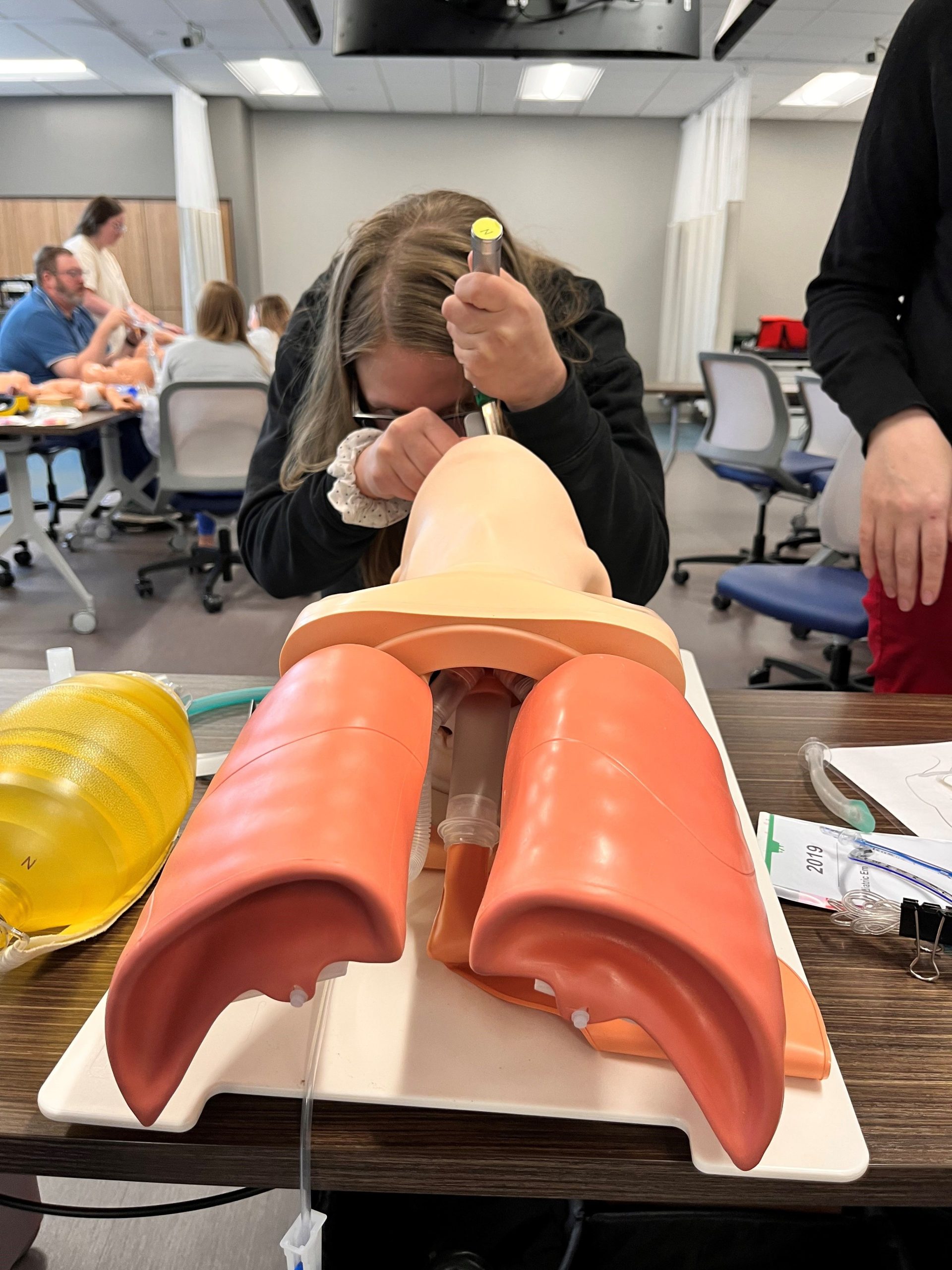
This gold-standard ventilation technique involves placing a tube directly into the trachea, providing a secure airway and allowing for controlled ventilation. Benefits include:
- Protection against aspiration
- Ability to deliver precise tidal volumes and pressures
- Facilitation of continuous ventilation without interruption
Despite these advantages, endotracheal intubation requires significant training and skill. A meta-analysis published in Resuscitation found that successful first-attempt intubation rates varied widely, from 51% to 89%, depending on provider experience and emergency conditions.
Supraglottic Airway Devices
These advanced ventilation technique options include laryngeal mask airways (LMAs), King airways, and i-gels. They offer a compromise between basic BVM ventilation and endotracheal intubation by:
- It is easier to insert than endotracheal tubes
- Providing better ventilation than BVM alone
- Requiring fewer technical skills to use effectively
Recent studies indicate that supraglottic airways may be preferable for first responders and in certain emergencies. A 2021 systematic review found that they achieved adequate ventilation in over 95% of cases when used by trained providers.
Evidence-Based Ventilation Techniques: What Science Shows
When evaluating which ventilation technique saves lives, research provides valuable insights:
Compression-Only CPR vs. Traditional CPR with Ventilation
For lay rescuers, especially those untrained or uncomfortable with mouth-to-mouth, compression-only CPR has gained significant traction. However, evidence suggests that ventilation remains crucial in certain scenarios:
- For pediatric arrests (often respiratory in origin)
- For arrests of respiratory cause
- For prolonged resuscitation efforts
A landmark study in the New England Journal of Medicine followed over 1,900 cases of out-of-hospital cardiac arrest and found no significant difference in survival rates between compression-only and traditional CPR with ventilation when performed by bystanders. However, for professional rescuers, CPR with ventilation remains the standard of care.
Optimizing Ventilation Technique Parameters
Research has helped refine the optimal parameters for ventilation during resuscitation:
- Rate: Current guidelines recommend 10 breaths per minute (one breath every 6 seconds) after an advanced airway is placed
- Volume: 500-600 mL (enough to cause visible chest rise)
- Duration: Each breath should be delivered over 1 second
- Oxygen concentration: The highest available concentration is recommended
Studies show that hyperventilation (excessive rate or volume) can be detrimental, increasing intrathoracic pressure and reducing cardiac output. A controlled ventilation technique that avoids this pitfall is associated with better outcomes.
Special Considerations for Different Patient Populations
The optimal ventilation technique varies across different patient groups:
Pediatric Ventilation Techniques
Children require modifications to adult ventilation techniques:
- Smaller tidal volumes based on age and size
- Higher respiratory rates (12-20 breaths per minute)
- Special attention to avoiding excessive pressure that could cause barotrauma
Research indicates that respiratory causes are more common in pediatric arrests, making effective ventilation even more critical for this population. Studies show that outcomes improve significantly when proper pediatric-specific ventilation techniques are employed.
Ventilation in Trauma Patients
Trauma victims present unique challenges for ventilation technique implementation:
- Potential cervical spine injuries requiring special airway maneuvers
- Risk of pneumothorax with positive pressure ventilation
- Possible facial injuries complicating the mask seal
A systematic review of prehospital ventilation in trauma found that gentle, controlled ventilation using appropriate techniques reduced mortality compared to aggressive approaches.
Training and Skill Retention in Ventilation Techniques
Proper training is essential for effective ventilation technique implementation. Studies consistently show that:
- Skills deteriorate rapidly without practice (within 3-6 months)
- Simulation-based training improves competency
- Regular refresher courses are necessary for skill maintenance
A 2022 study in Resuscitation found that healthcare providers who participated in quarterly hands-on practice sessions maintained significantly better ventilation technique skills than those who trained annually.
Emerging Ventilation Technologies and Techniques
Innovation continues to improve ventilation techniques:
Mechanical Ventilation Devices
Automated ventilation devices provide consistent tidal volumes and rates, potentially improving the quality of ventilation during resuscitation. These devices free up rescuer hands and may reduce provider fatigue during prolonged resuscitation efforts.
Real-Time Feedback Systems
New technologies provide real-time feedback on ventilation technique quality, including:
- Volume monitors
- Pressure sensors
- Flow indicators
These systems help providers optimize their technique and avoid common errors like hyperventilation or inadequate tidal volumes.
Conclusion: Which Ventilation Technique Truly Saves Lives?
When considering which ventilation technique saves lives, the evidence suggests that the best technique depends on several factors:
- The rescuer’s training level and comfort
- Available equipment
- The specific emergency scenario
- Patient characteristics
For healthcare professionals, the BVM remains the standard initial approach, with progression to advanced airways when indicated and when provider skill allows. For lay rescuers, focusing on high-quality chest compressions with basic ventilation techniques appropriate to their training level yields the best outcomes.
Ultimately, the ventilation technique that saves the most lives is the one that is performed correctly, confidently, and under evidence-based guidelines. Regular training and skill maintenance are crucial components of effective emergency response.
Take Action: Be Prepared to Save Lives with Proper Training
Don’t wait until an emergency occurs to learn these life-saving skills. CPR Memphis offers comprehensive training in all aspects of basic and advanced life support, including proper ventilation techniques for various emergency scenarios.
As an American Heart Association training site, CPR Memphis provides initial certifications and renewals in BLS for Healthcare Providers, ACLS, PALS, and CPR and First Aid courses. All classes are stress-free, hands-on, and taught by experienced instructors who ensure you gain both confidence and competence.
Whether you’re a healthcare professional needing BLS certification in Memphis or someone wanting to be prepared for emergencies, CPR Memphis has a course for you. Our CPR certification Memphis programs are designed to fit your schedule and learning needs.
Don’t delay – proper training today could help you save a life tomorrow. Visit CPR Memphis to register for the best CPR training in Memphis and become part of the solution to improving survival rates in emergencies.
