

Pocket Mask vs BVM: Which to Use in Emergency Situations
Posted by Sydney Pulse, APRN at 7:42 am 0 Comment Print
In the critical moments of a cardiac emergency, having the right tools and knowledge can mean the difference between life and death. For healthcare providers and trained responders, the choice between a pocket mask and a bag valve mask (BVM) represents a crucial decision point in emergency care. Both devices serve essential functions in resuscitation efforts, but understanding when and how to use each can optimize patient outcomes.
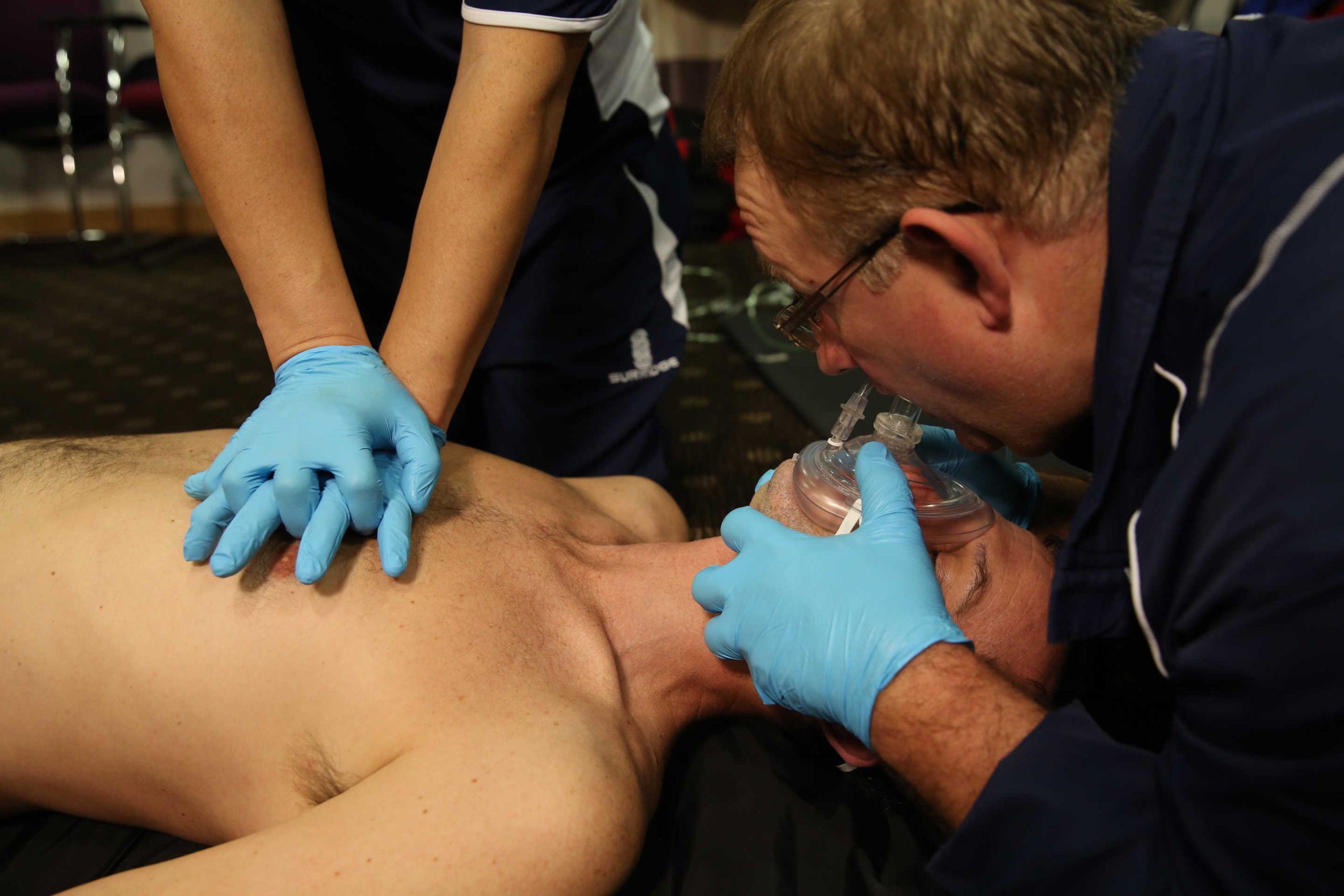
Understanding the Basics: Pocket Mask vs BVM
What is a Pocket Mask?
A pocket mask, also known as a face shield or CPR mask, is a compact, portable device designed to create a barrier between the rescuer and the patient during rescue breathing. These masks typically feature a one-way valve that prevents backflow of air and bodily fluids, protecting while allowing the rescuer to deliver breaths directly.
Key features of pocket masks include:
- Compact design that folds or collapses for easy storage
- One-way valve system for infection control
- Transparent construction to monitor patient condition
- Oxygen inlet port on some models
- Simple operation requiring minimal training
The pocket mask represents an advancement over mouth-to-mouth resuscitation, offering increased safety while maintaining the personal connection and feedback that direct breathing provides.
What is a BVM (Bag Valve Mask)?
A bag valve mask, commonly referred to as an Ambu bag or manual resuscitator, consists of a self-inflating bag connected to a face mask. Unlike the pocket mask, a BVM doesn’t require the rescuer to use their breath but instead relies on squeezing the bag to deliver air or oxygen to the patient.
Standard components of a BVM include:
- Self-inflating bag with oxygen reservoir
- Non-rebreathing valve system
- Face mask with cushioned seal
- Oxygen tubing connections
- Optional PEEP valve for advanced applications
The BVM delivers consistent tidal volumes when used correctly and can provide higher oxygen concentrations than pocket masks, particularly when connected to supplemental oxygen.
Comparing Effectiveness: Pocket Mask vs BVM
Ventilation Efficiency
When comparing the effectiveness of ventilation between these devices, several factors come into play. Research indicates that while both can provide adequate ventilation, the manner and consistency of delivery differ significantly.
Pocket masks allow rescuers to feel resistance during ventilation, providing immediate feedback about airway patency and compliance. This tactile feedback helps rescuers adjust their technique in real-time. However, the volume of air delivered depends on the rescuer’s lung capacity and technique.
BVMs can deliver larger, more consistent volumes of air, especially when connected to supplemental oxygen. Studies have shown that properly administered BVM ventilation can achieve higher oxygen concentrations, potentially improving outcomes in hypoxic patients. However, this requires proper technique to avoid complications.
Ease of Use and Training Requirements
The learning curve represents a notable difference between these devices. Pocket masks require relatively minimal training, making them accessible for lay rescuers and healthcare providers alike. The intuitive design closely mimics natural breathing, allowing for quick adaptation.
BVMs, while offering advanced capabilities, present a steeper learning curve. Proper mask seal technique, appropriate compression volume, and coordination of ventilation with compressions require significant practice to master. Studies have shown that even healthcare professionals may struggle with proper BVM technique without regular training.
Clinical Applications: When to Choose Pocket Mask vs BVM
Ideal Scenarios for Pocket Mask Use
Pocket masks shine in several scenarios:
- Single-rescuer situations: When operating alone, a pocket mask allows for easier management of both airway and ventilation.
- Limited space environments: In confined spaces where equipment mobility matters, the compact design proves advantageous.
- Basic life support settings: For initial response before advanced equipment arrives, pocket masks provide immediate intervention capability.
- Training environments: The simplicity makes pocket masks excellent teaching tools for introducing rescue breathing concepts.
- Community settings: The lower cost and maintenance requirements make pocket masks practical for widespread distribution.
Optimal Applications for BVM Use
BVMs become the preferred choice in these circumstances:
- Multi-rescuer scenarios: When two or more trained providers are available, BVM ventilation can be optimized with one person maintaining the mask seal while another compresses the bag.
- Advanced respiratory support: Patients with severe hypoxia benefit from the higher oxygen concentrations possible with BVM systems.
- Controlled settings: In hospital environments or ambulances where space constraints are minimal, the larger BVM remains practical.
- Extended resuscitation efforts: For prolonged resuscitation, BVMs reduce rescuer fatigue compared to breath-powered ventilation.
- Integration with advanced airway management: When used with endotracheal tubes or supraglottic airways, BVMs provide controlled ventilation.
Technical Considerations: Pocket Mask vs BVM
Infection Control and Safety Features
Both devices incorporate safety features, but their approaches differ significantly. Pocket masks prioritize creating a barrier between rescuer and patient with one-way valves that prevent contamination. Many modern pocket masks include hydrophobic filters that block pathogens while allowing air exchange.
BVMs offer complete separation between rescuer and patient breathing systems, eliminating direct contact with exhaled air. This makes them particularly valuable during outbreaks of respiratory illnesses. Additionally, disposable BVM systems have become increasingly available for high-risk scenarios.
Healthcare facilities typically establish protocols for device cleaning and replacement based on infection control guidelines from organizations like the CDC and WHO.
Oxygen Delivery Capabilities
The ability to deliver supplemental oxygen represents a critical difference between these devices. Standard pocket masks can accept oxygen input at flow rates of 10-15 liters per minute, increasing inspired oxygen concentration to approximately 50%.
BVMs with attached reservoir bags can deliver oxygen concentrations approaching 100% at appropriate flow rates, making them superior for patients with significant oxygenation challenges. This capability becomes particularly important in specific clinical scenarios such as shock, carbon monoxide poisoning, or severe respiratory distress.
Practical Considerations: Choosing Between Pocket Mask vs BVM
Cost and Accessibility Factors
Budget constraints often influence equipment availability, particularly in community settings or resource-limited environments. Pocket masks typically cost between $5-20 for basic models, while BVMs range from $15-50 for standard versions and more for specialized models.
The affordability of pocket masks makes them more accessible for widespread distribution in public spaces, schools, and community centers. Many organizations find it feasible to equip all potential responders with pocket masks while reserving BVMs for specialized response teams.
Maintenance and Shelf Life Considerations
Equipment reliability depends on proper maintenance and awareness of expiration dates. Pocket masks generally require minimal maintenance beyond cleaning according to manufacturer’s guidelines. Most have shelf lives of 5-7 years when properly stored.
BVMs contain more components that may deteriorate over time, including valve assemblies and reservoir bags. Regular inspection of these components is essential, with typical replacement recommendations every 2-5 years depending on usage patterns and storage conditions.
Training Implications: Mastering Pocket Mask vs BVM Techniques
Developing Proficiency in Pocket Mask Use
Effective pocket mask ventilation requires proper positioning and technique. Training typically focuses on:
- Proper mask placement and seal creation using the E-C hand technique
- Appropriate breath volume and duration (approximately 1 second per breath)
- Observing chest rise to confirm adequate ventilation
- Maintaining proper head position to ensure airway patency
- Coordinating ventilation with chest compressions during CPR
Most rescuers can develop basic proficiency in pocket mask use within 30-60 minutes of hands-on practice.
Building BVM Ventilation Skills
Mastering BVM ventilation requires more extensive training focusing on:
- Proper mask seal techniques using the C-E hand position
- Appropriate bag compression volume (approximately one-third to one-half of the bag)
- Coordinating with a second rescuer when available
- Managing oxygen delivery systems and reservoir function
- Troubleshooting common issues like mask leaks or airway obstruction
Healthcare providers typically require multiple training sessions with skills verification to develop a reliable BVM technique. Regular practice is essential for skill retention.
Real-World Performance: Pocket Mask vs BVM in Emergency Situations
Outcomes Data and Clinical Evidence
Research comparing patient outcomes between pocket mask and BVM ventilation shows nuanced results. Studies indicate that in ideal conditions with properly trained providers, BVMs may offer superior oxygenation. However, real-world application often reveals implementation challenges that reduce this theoretical advantage.
A notable study published in Resuscitation found that hospital staff using BVMs frequently delivered excessive ventilation rates and volumes during simulated cardiac arrests, potentially compromising circulation. Conversely, pocket mask users demonstrated more appropriate ventilation parameters but achieved lower oxygen concentrations.
These findings suggest that device selection should consider both technical capabilities and practical implementation factors, including user training and experience.
Expert Recommendations and Guidelines
Major resuscitation authorities, including the American Heart Association and European Resuscitation Council, acknowledge the value of both devices in their guidelines. These organizations emphasize that the most appropriate device depends on:
- Rescuer training and experience
- Availability of multiple providers
- Specific patient needs and conditions
- Environmental and situational factors
- Local protocols and standards of care
Both organizations stress that effective ventilation depends more on proper technique than device selection, highlighting the importance of regular training and skills verification.
Making the Right Choice: Pocket Mask vs BVM
Decision Framework for Emergency Responders
When deciding between a pocket mask and BVM, consider these key factors:
- Number of available rescuers: Single rescuers may find pocket masks more manageable, while teams can optimize BVM use.
- Rescuer training level: Choose equipment matching the responder’s skill and comfort level.
- Patient condition: Severe respiratory compromise may benefit from BVM’s oxygen delivery capabilities.
- Environmental constraints: Limited space or mobility requirements may favor pocket masks.
- Duration of care: Extended resuscitation efforts are less fatiguing with BVMs.
Ultimately, the best device is the one that enables effective ventilation in the specific emergency context.
Conclusion: Integrating Both Tools in Emergency Response
Rather than viewing pocket masks and BVMs as competing options, consider them complementary tools in a comprehensive emergency response system. Many healthcare facilities and emergency response teams equip providers with both devices, allowing flexibility based on scenario-specific requirements.
For individuals and organizations developing emergency response capabilities, a graduated approach often works best: begin with pocket mask training to establish fundamental ventilation skills, then progress to BVM techniques as provider competence increases.
Call to Action: Enhance Your Emergency Response Skills
Don’t wait until an emergency strikes to develop these critical skills. Proper training makes all the difference in emergency outcomes. CPR Kansas City offers American Heart Association-certified training in both pocket mask and BVM techniques through our comprehensive courses.
Whether you’re seeking initial certification or renewal, our hands-on, stress-free classes will prepare you to respond confidently in emergencies. Our BLS certification Kansas City programs specifically cover advanced ventilation techniques for healthcare providers, while our CPR certification Kansas City courses provide essential skills for all rescuers.
Contact CPR Kansas City today—the premier American Heart Association training site in the region—offering the best CPR in Kansas City. Our experienced instructors will help you master these life-saving skills in a supportive, professional environment.
