

Advanced Airway and CPR: Essential Knowledge for Healthcare Providers
Posted by Sydney Pulse, APRN at 6:02 am 0 Comment Print
When it comes to saving lives during cardiac emergencies, understanding the relationship between advanced airway management and CPR is crucial for healthcare professionals. This comprehensive guide explores how airway management integrates with cardiopulmonary resuscitation, the modifications required when advanced airways are in place, and best practices for optimal patient outcomes.
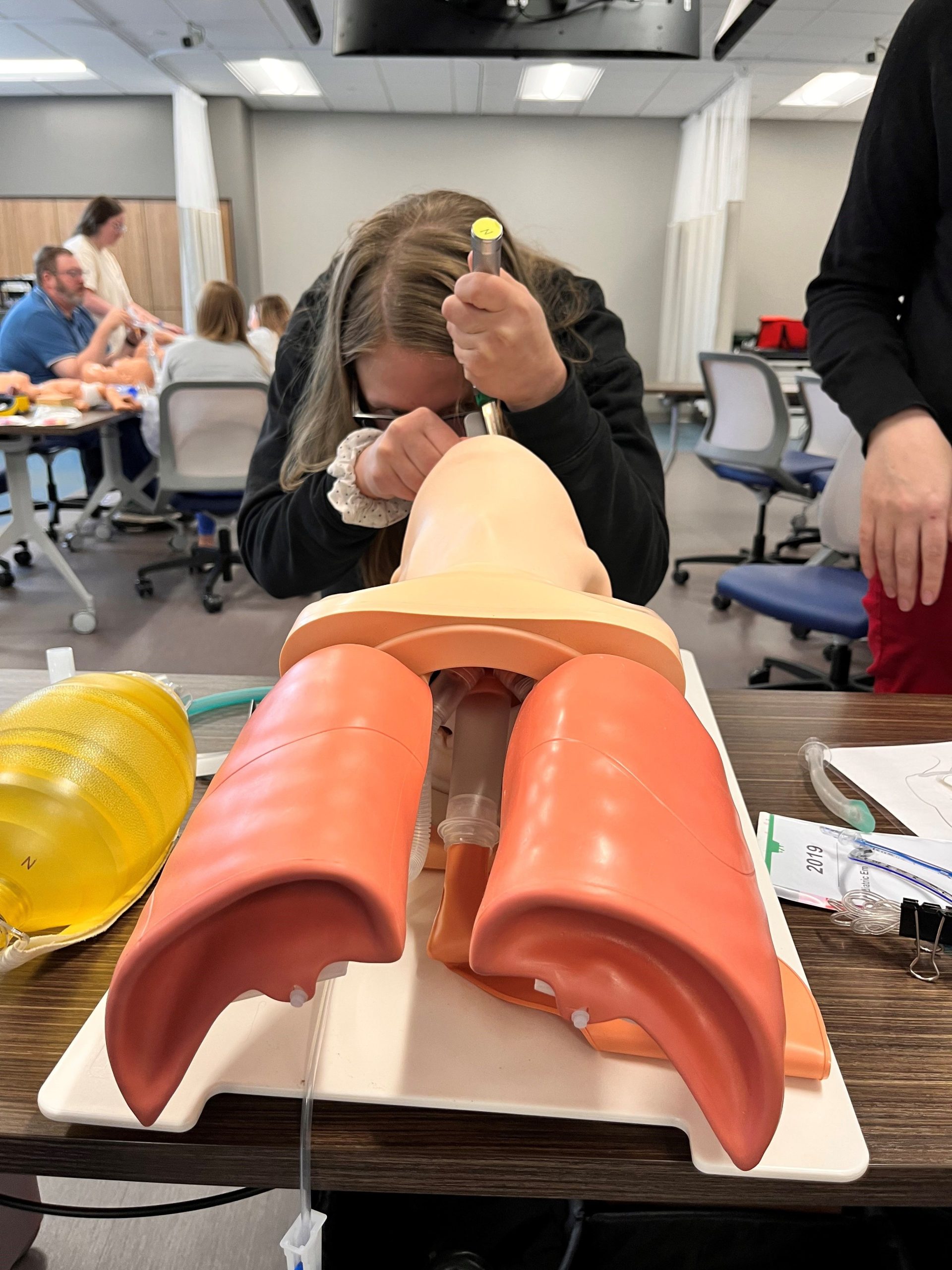
The Critical Role of the Airway in CPR
The airway serves as the fundamental pathway for oxygen delivery during cardiopulmonary resuscitation. Effective CPR requires a combination of chest compressions and ventilation to maintain circulation and oxygenation. Without proper airway management, even the most perfectly executed chest compressions would fail to deliver oxygen to vital organs.
During cardiac arrest, a patient’s airway often becomes compromised due to:
- Loss of consciousness leading to relaxation of the throat muscles
- The tongue falling back and obstructing the posterior pharynx
- Accumulation of secretions or vomitus
- Laryngospasm or bronchospasm
- Trauma-related airway distortion
Basic airway management techniques, including head-tilt/chin-lift or jaw-thrust maneuvers, open the airway by repositioning anatomical structures. These techniques, combined with standard CPR, form the foundation of basic life support. However, these approaches have limitations, especially in prolonged resuscitations or complex patient scenarios where advanced airway techniques become necessary.
The Oxygen Delivery Chain in CPR
The primary goal of CPR is to maintain adequate tissue oxygenation until spontaneous circulation returns. This requires:
- An open airway allowing oxygen passage
- Functional lungs for gas exchange
- Circulation transports oxygenated blood
- Cellular mechanisms to utilize oxygen
Compromising any link in this chain reduces survival probability. This explains why advanced airway and CPR integration is so vital – each component must function optimally for successful resuscitation.
Advanced Airways: Transforming the CPR Approach
Advanced airways fundamentally alter CPR dynamics by providing a secure, protected channel for ventilation. These devices bypass upper airway obstructions and reduce complications like aspiration. The primary advanced airway options include:
Supraglottic Airways (SGAs)
Supraglottic devices sit above the glottis, creating a seal around the laryngeal inlet without entering the trachea. Popular options include:
- Laryngeal Mask Airways (LMAs)
- King LT airways
- i-gels
- Combitube devices
These devices offer rapid placement without visualization tools, making them ideal for first responders and early resuscitation efforts. They don’t provide absolute airway protection, but significantly improve ventilation efficiency during advanced airway and CPR scenarios.
Endotracheal Tubes (ETTs)
Endotracheal intubation remains the gold standard for definitive airway management. An ETT:
- Provides direct access to the trachea
- Completely isolates the airway from digestive tract contents
- Allows precise control of ventilation parameters
- Facilitates suctioning of tracheal secretions
- Provides a reliable route for certain medications
Placing an ETT during ongoing CPR presents challenges, often requiring brief compression pauses. The advanced skill level required for successful intubation explains why alternative airways are frequently used initially, with ETT placement occurring when conditions permit or more skilled providers arrive.
How CPR Changes After Advanced Airway Insertion
Once an advanced airway device is secured, the CPR protocol undergoes several significant modifications:
1. Compression-Ventilation Synchronization Changes
The most notable change involves eliminating the need to coordinate compressions with ventilations. With a basic airway, rescuers traditionally use a 30:2 compression-to-ventilation ratio, requiring pauses in compressions to deliver breaths. After advanced airway and CPR integration:
- Chest compressions continue uninterrupted
- Ventilations occur simultaneously with ongoing compressions
- The traditional “cycles” approach is abandoned
This continuous compression strategy maximizes coronary perfusion pressure, which correlates strongly with successful resuscitation outcomes.
2. Ventilation Rate Adjustments
With an advanced airway in place, ventilation parameters shift significantly. According to current American Heart Association guidelines:
- Deliver 1 breath every 6 seconds (10 breaths per minute)
- Each breath should take approximately 1 second to deliver
- Avoid excessive ventilation rates or volumes
This controlled rate prevents hyperventilation, which can increase intrathoracic pressure, decrease venous return, and ultimately reduce coronary and cerebral perfusion—all detrimental during cardiac arrest.
3. Compression Quality Focus
The insertion of an advanced airway enables rescuers to maintain uninterrupted focus on compression quality. Key aspects include:
- Maintaining proper depth (2-2.4 inches/5-6 cm in adults)
- Allowing complete chest recoil between compressions
- Minimizing interruptions (achieving >90% compression fraction)
- Maintaining an appropriate rate (100-120 compressions per minute)
Research indicates that compression quality significantly impacts survival rates, making this emphasis crucial in advanced airway and CPR scenarios.
4. Team Dynamics and Role Distribution
Advanced airways alter resuscitation team dynamics by:
- Designating specific providers for airway management
- Reducing coordination requirements between compressors and ventilators
- Enabling clearer role delineation
- Facilitating better monitoring of both ventilation and compression parameters
Effective teams seamlessly incorporate advanced airways while maintaining CPR quality, often employing pit-crew approaches where each member has clearly defined responsibilities.
Ventilation Rate for CPR with Advanced Airways: Finding the Optimal Balance
The ventilation rate after advanced airway placement represents a crucial component of effective resuscitation. Current recommendations specify:
10 breaths per minute (1 breath every 6 seconds)
This rate balances multiple physiological considerations:
Avoiding Hyperventilation
Excessive ventilation rates during CPR have detrimental effects:
- Increased intrathoracic pressure
- Decreased venous return to the heart
- Reduced cardiac output
- Diminished cerebral blood flow
- Potential barotrauma to lung tissue
Studies demonstrate that emergency responders frequently ventilate at excessively high rates (often >20 breaths/minute) during stress, highlighting the importance of rate discipline during advanced airway and CPR interventions.
Preventing Hypoventilation
Conversely, inadequate ventilation leads to:
- Progressive hypoxemia
- Respiratory acidosis
- Decreased effectiveness of subsequent defibrillation attempts
- Potentially irreversible organ damage
The recommended rate ensures adequate minute ventilation without the negative consequences of hyperventilation.
Special Considerations for Specific Patient Populations
While 10 breaths per minute serves as the standard guidance, certain circumstances warrant adjustments:
- Pediatric patients: Higher metabolic rates may require slightly increased ventilation
- Asphyxial arrests: Initial emphasis on ventilation before compression cycles
- Severe metabolic acidosis: May benefit from slightly higher ventilation rates
- Patients with significant lung disease may require modified ventilation strategies
Healthcare providers must integrate their clinical judgment with standard protocols when managing these special populations.
Best Practices for Integration of Advanced Airways During CPR
Successful implementation of advanced airway and CPR protocols requires attention to several critical elements:
1. Minimizing Interruptions During Airway Placement
Insertion of advanced airways should occur with minimal or no interruption to chest compressions. Strategies include:
- Using compression pauses already scheduled for rhythm checks
- Employing techniques that allow intubation during ongoing compressions
- Having the equipment fully prepared before attempting placement
- Setting time limits for intubation attempts (typically 10 seconds maximum)
The highest-skilled airway provider available should perform advanced airway placement to maximize first-attempt success.
2. Confirming Proper Placement
Unrecognized esophageal intubation represents a catastrophic complication. Verification methods include:
- Waveform capnography (the gold standard)
- Chest rise observation
- Auscultation of bilateral breath sounds
- Absence of gastric sounds
- Visualization of ETT passing through the vocal cords (direct confirmation)
Continuous capnography monitoring should be maintained throughout resuscitation to detect displacement.
3. Securing the Airway Device
Once correctly positioned, the advanced airway must be secured to prevent dislodgement during ongoing resuscitation efforts. Methods include:
- Commercial tube holders
- Adhesive tape systems
- Mechanical fixation devices
- Proper documentation of depth markings
Team awareness of proper depth markings helps detect subtle migration before complete dislodgement occurs.
4. Maintaining Optimal Ventilation Parameters
With an advanced airway established, attention to ventilation quality becomes paramount:
- Delivering appropriate tidal volumes (approximately 6-7 mL/kg ideal body weight)
- Avoiding excessive inspiratory pressures
- Monitoring for compliance changes
- Providing adequate PEEP when indicated
These refinements optimize gas exchange during the critical resuscitation period.
The Science Behind Advanced Airway and CPR Integration
Understanding the physiological basis for current guidelines enhances clinical decision-making. Key scientific concepts include:
Hemodynamics During CPR
Standard CPR generates approximately 25-30% of normal cardiac output—barely sufficient for vital organ perfusion. Interruptions for ventilation further reduce this limited flow. Advanced airways enable continuous compressions, preserving the marginal perfusion pressure crucial for survival.
Oxygen Delivery Mathematics
Oxygen delivery to tissues depends on:
- Arterial oxygen content
- Cardiac output
- Hemoglobin concentration
During CPR, cardiac output becomes the primary limiting factor. Optimizing compression fraction through advanced airway and CPR coordination maximizes this determinant of oxygen delivery.
Cardiocerebral Resuscitation Concepts
Some evidence suggests that in the early minutes of adult cardiac arrest from ventricular fibrillation, blood oxygen content remains adequate, making continuous compressions more beneficial than interrupting for ventilation. Advanced airways facilitate this approach while still providing supplemental oxygen.
The Return of Spontaneous Circulation (ROSC) Transition
After ROSC, ventilation requirements change dramatically. The established advanced airway facilitates:
- Titrated oxygen delivery
- Controlled ventilation matching new metabolic demands
- Prevention of hyperoxia, which may increase reperfusion injury
- Precise control of carbon dioxide levels, crucial for neurological recovery
This transition phase represents another critical juncture where advanced airway and CPR expertise significantly impact outcomes.
Training and Competency in Advanced Airway Management During CPR
Maintaining proficiency in advanced airway and CPR techniques requires dedicated training and regular practice. Key elements of comprehensive education include:
- Simulation-based scenarios focusing on the integration of skills
- Team-based training emphasizing communication
- Regular refresher sessions to prevent skill decay
- Quality improvement initiatives analyzing real resuscitation performance
- Debriefing practices after actual cardiac arrest events
Healthcare providers must demonstrate both individual technical competence and team integration abilities to optimize patient outcomes.
Conclusion: The Synergy of Advanced Airway and CPR
The relationship between advanced airway management and CPR represents one of the most critical interfaces in emergency care. When properly integrated, these interventions provide the optimal environment for resuscitation success. Healthcare providers must master both the technical skills of airway management and the nuanced protocol adjustments required after advanced airway placement.
As resuscitation science continues advancing, the emphasis on minimizing interruptions, optimizing compression quality, and providing appropriate ventilation remains paramount. By applying these evidence-based principles, healthcare professionals can maximize survival chances for cardiac arrest patients.
Take Action: Advance Your Resuscitation Skills Today
Are you ready to enhance your life-saving capabilities through expert training in advanced airway and CPR techniques? CPR Cincinnati offers comprehensive American Heart Association courses designed for healthcare professionals seeking excellence in emergency care.
With our stress-free, hands-on approach, you’ll master the critical skills covered in this article under expert guidance. Whether you need initial certification or renewal in BLS for Healthcare Providers, ACLS, PALS, or CPR and First Aid, our courses provide the knowledge and confidence to perform when it matters most.
Don’t wait to improve your resuscitation competencies. Contact CPR Cincinnati today for CPR certification Cincinnati programs that will prepare you for real-world emergencies. Looking to advance your professional credentials? Our ACLS certification Cincinnati courses provide the advanced training healthcare providers need. As an authorized American Heart Association training site, we deliver the highest quality education in the Cincinnati area.
Visit our website or call us to schedule your training session with the best CPR instructors in Cincinnati!
