

Mouth-to-Mouth vs. Hands-Only CPR: Which is More Effective?
Posted by Sydney Pulse, APRN at 5:22 am 0 Comment Print
When emergencies strike, every second counts. Performing cardiopulmonary resuscitation (CPR) can mean the difference between life and death. But when faced with a cardiac arrest situation, should you use mouth-to-mouth or hands-only CPR? Understanding the effectiveness of both techniques can empower you to make the best decision in high-stress situations.
The Basics of CPR
To appreciate the debate between mouth-to-mouth and hands-only CPR, let’s first review what CPR entails:
- What is CPR?
CPR combines chest compressions and artificial ventilation to maintain blood flow and oxygen delivery to the brain and vital organs until professional medical help arrives. - Why is CPR Critical?
In cases of cardiac arrest, the heart stops beating effectively, cutting off oxygen to the brain. Immediate intervention is crucial to prevent permanent damage or death.
Understanding Mouth-to-Mouth CPR
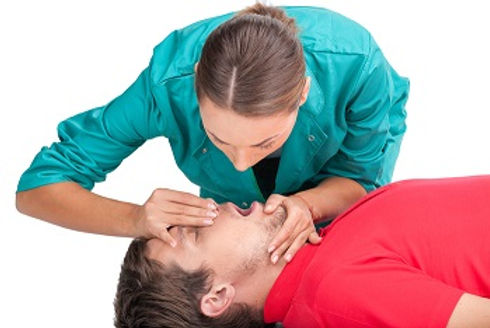
Mouth-to-mouth CPR, also known as traditional CPR, involves both chest compressions and rescue breaths.
- How It Works:
Alternating between 30 chest compressions and two rescue breaths, mouth-to-mouth CPR aims to restore the heart’s rhythm and provide oxygen directly into the victim’s lungs. - Pros of Mouth-to-Mouth CPR:
- Oxygen Delivery: Directly provides oxygen to the lungs.
- Effective for Certain Cases: Particularly useful for drowning victims, children, and respiratory-related emergencies.
- Cons of Mouth-to-Mouth CPR:
- Complexity: Requires proper training to perform correctly.
- Hesitation: Bystanders may hesitate due to fear of disease transmission or lack of confidence.
Exploring Hands-Only CPR
Hands-only CPR is a streamlined approach focused solely on chest compressions.
- How It Works:
Deliver uninterrupted chest compressions at a rate of 100–120 per minute to the beat of a familiar song like Stayin’ Alive by the Bee Gees. - Pros of Hands-Only CPR:
- Ease of Learning: Simplified, making it accessible even to untrained bystanders.
- Immediate Action: Encourages quick intervention without hesitation.
- Effectiveness: Studies show it is highly effective in adult cardiac arrest cases caused by heart-related issues.
- Cons of Hands-Only CPR:
- Limited Use Cases: Less effective for cases involving asphyxia, drowning, or pediatric emergencies.
- No Oxygen Delivery: Relies solely on existing oxygen in the bloodstream.
Comparing Effectiveness: Mouth-to-Mouth vs. Hands-Only CPR
- Survival Rates:
Research suggests that hands-only CPR is as effective as traditional CPR for adults experiencing sudden cardiac arrest outside a hospital. However, mouth-to-mouth is essential in certain scenarios where oxygen deprivation is the primary cause of cardiac arrest. - Ease of Use:
Hands-only CPR eliminates the barrier of administering breaths, which increases the likelihood of bystander intervention. - Specific Situations:
- Mouth-to-mouth is more suitable for children, drowning victims, and patients with respiratory causes of arrest.
- Hands-only is optimal for sudden cardiac arrests, often resulting from heart disease.
American Heart Association (AHA) Recommendations
The AHA endorses hands-only CPR for untrained bystanders and traditional CPR for trained individuals or specific cases like pediatric emergencies.
The Importance of CPR Training
Proper CPR training is the cornerstone of saving lives. While both methods have their merits, knowing when and how to apply them is crucial.
Why Choose CPR Classes Tampa for Your CPR Certification?
At CPR Classes Tampa, we specialize in American Heart Association (AHA) courses, including Basic Life Support (BLS) for Healthcare Providers, ACLS, PALS, and CPR and First Aid training. Here’s what sets us apart:
- Stress-Free Learning: Our hands-on, interactive classes are designed to be engaging and confidence-boosting.
- Expert Instruction: Certified trainers provide personalized guidance tailored to your learning needs.
- Convenient Options: We offer initial certifications and renewals, ensuring you stay prepared.
Empower Yourself with CPR Certification in Tampa
The choice between mouth-to-mouth and hands-only CPR depends on the situation, but the power to make that decision starts with quality training. Knowing CPR can make you a lifesaver whether you’re a healthcare provider or a concerned citizen.
Enroll in CPR Classes Tampa today and gain the confidence to act decisively in emergencies. Visit CPR Classes Tampa or call us now to secure your spot in our next session. Together, we can make Tampa a safer community!
FAQs About Mouth-to-Mouth vs. Hands-Only CPR
- Which type of CPR is more effective for children?
Mouth-to-mouth CPR is recommended for children and infants as they often require oxygen supplementation during cardiac arrest. - Can I perform CPR without formal training?
Yes, hands-only CPR can be performed by anyone, even without prior training, by delivering chest compressions at the correct rate and depth. - Is mouth-to-mouth CPR still taught in training classes?
Yes, traditional CPR, including mouth-to-mouth techniques, is taught in all AHA-certified courses, including those at CPR Classes Tampa. - How often should I renew my CPR certification?
AHA recommends renewing your CPR certification every two years. CPR Classes Tampa offers convenient renewal classes to keep your skills current. - Are there risks to performing CPR on someone?
The benefits of performing CPR far outweigh the risks. Proper training can mitigate potential concerns about injury or disease transmission. - Where can I find CPR certification in Tampa?
CPR Classes Tampa offers comprehensive CPR certification courses for healthcare providers and the general public. Sign up today to learn lifesaving skills!
